Ronde de cuivre Mammouth laineux de 1 once
Related products
This 1 oz 999 pure Woolly Mammoth copper round pays homage to the intriguing extinct creature! Begin your collection today!
ROUND HIGHLIGHTS
- Ships individually in protective packaging
- Consisting of 1 AVDP oz 999 Pure Copper
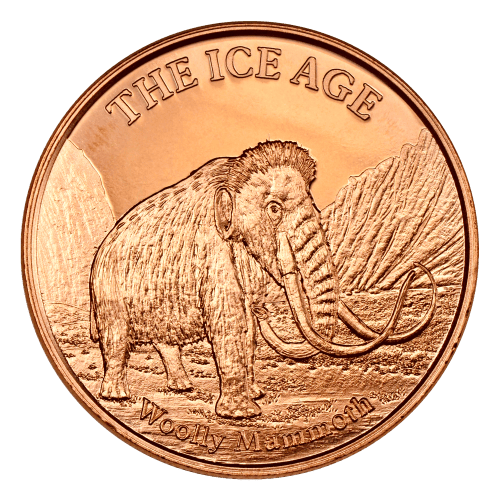
- Reverse: Features a depiction of a woolly mammoth standing on grass in a landscape surrounded by mountains along with the inscription "THE ICE AGE"
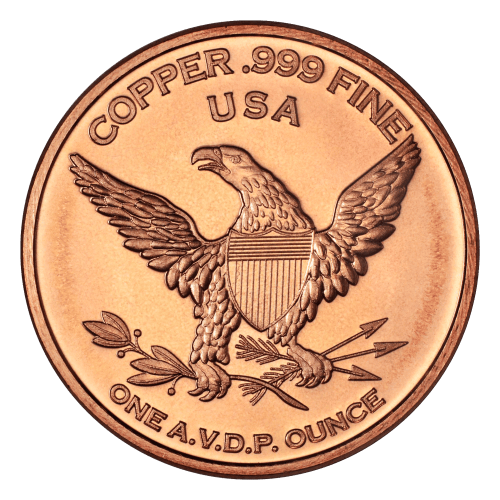
- Obverse: Features a depiction of a heraldic American bald eagle along with the metal type, weight and purity
These copper rounds are a part of the Ice Age Series, which also includes: Giant Sloth, Giant Short Faced Bear, Cave Lion, and Saber Tooth Tiger.
The Woolly Mammoth was a majestic 10' (3 meters) tall creature that inhabited Earth during the Ice Age. This gigantic animal consumed over 450 pounds (200 kg) of grass each day, and had tusks that ranged from 10'-16' (3~5 meters)! Well-preserved fossils found in permafrost allowed scientists to determine the characteristics of these furry elephant-looking creatures. Most woolly mammoths perished with the climate change that brought the Ice Age to an end, but some managed to survive in remote areas and small islands in the Arctic and Northern Siberia about 4,000 years ago.
